Home Blog Fire protection systems
Fire protection systemsFire Pump Flow & Pressure: Rated, Churn and 150% Flow Explained
Understand fire pump rated flow, churn pressure and 150% flow, and what these points mean for pump selection and testing.
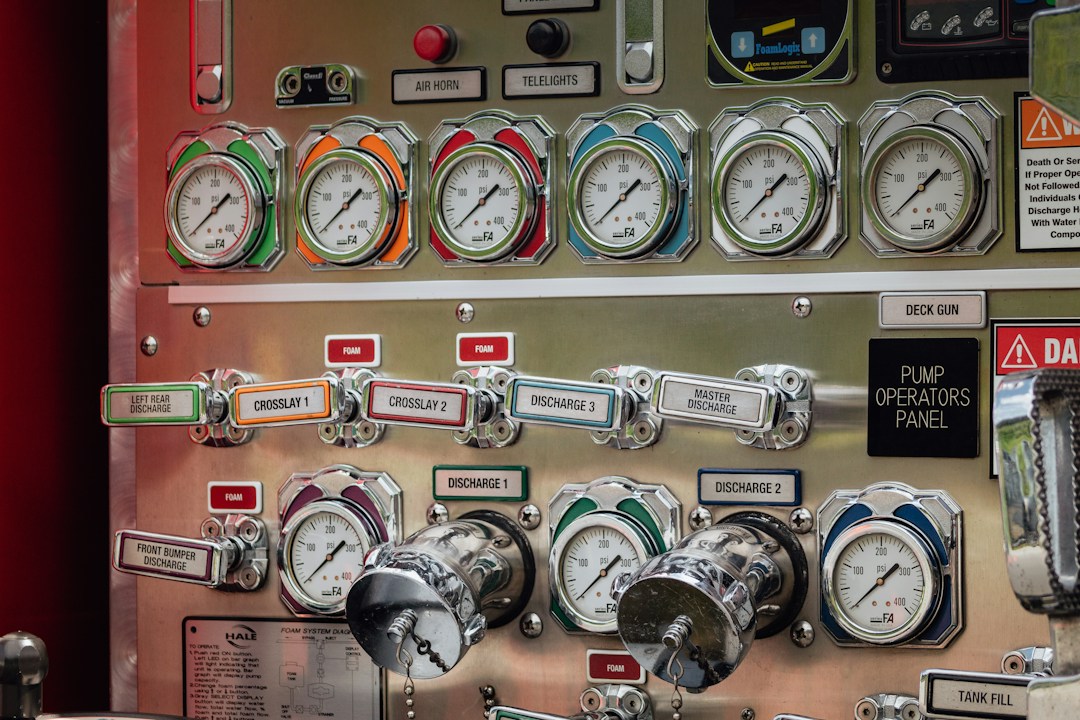
Fire pump performance is defined by a curve, not by one flow and pressure. Pressure is highest near no-flow (churn), passes through the rated point, and decreases as flow increases toward the high-flow region.
Rated flow and rated pressure
The rated point is the nominal duty used to identify a listed fire pump. A pump rated 1,000 gpm at 100 psi does not always operate at exactly those values. The actual operating point is where the pump curve intersects system demand.
What is churn pressure?
Churn, or shutoff, occurs when the pump runs with essentially no discharge flow. A centrifugal pump normally develops more pressure at churn than at rated flow. Maximum expected suction pressure and churn pressure should be reviewed together when checking system component pressure ratings.
What does 150% flow mean?
For a 1,000 gpm pump, 150% flow is 1,500 gpm. This is a high-flow performance point. It is not automatically the project’s design capacity. Selection must be based on hydraulic demand, the certified pump curve, suction conditions, driver loading and project criteria.
How the curve behaves
A typical centrifugal fire-pump curve slopes downward as flow increases. Exact churn and high-flow pressures must be read from the certified curve for the specific pump and impeller, not guessed from generic percentages.
Practical example
Consider a listed pump rated 1,000 gpm at 100 psi. Its rated point is 1,000 gpm at 100 psi; its 150% point is 1,500 gpm with pressure taken from the certified curve; and its churn point is zero flow with shutoff pressure also taken from that curve.
SESCO Engineering Note: never approve a fire pump from the line “1,000 gpm @ 100 psi” alone. Review the complete certified curve against the project’s hydraulic calculation.
Testing
Fire-pump testing evaluates no-flow, rated-flow and high-flow performance. NFPA 25 annual flow-test provisions for constant-speed pump assemblies identify churn, rated flow and 150% of rated capacity, with an alternative where the available suction supply cannot support the full 150% test flow.
Common mistakes
- Treating rated flow as the only flow the pump can deliver.
- Using 150% of rated flow as an automatic design capacity.
- Assuming churn pressure without checking the certified curve.
- Ignoring suction pressure when checking maximum system pressure.
- Selecting a pump from catalogue rating without plotting actual system demand.
Related guide
Start with our fire pump sizing guide to establish the required duty point, then review churn, rated and high-flow performance together.
Standards
NFPA 20 provides installation and performance requirements for stationary fire pumps. NFPA 25 addresses inspection, testing and maintenance. Final evaluation should use the applicable project edition, certified manufacturer data and AHJ requirements.
This article provides general engineering guidance. Final pump selection and acceptance must follow the applicable code edition, approved hydraulic calculations, certified manufacturer data and the authority having jurisdiction.